
Symphysis Pubis Dysfunction (SPD) is a condition that occurs when the joint at the front of your pelvis—the pubic symphysis—becomes overly mobile or misaligned. This joint normally helps stabilize your pelvis, but during pregnancy, hormonal and postural changes can make it too flexible.
The result? Pelvic pain during pregnancy, difficulty walking, and pain while climbing stairs or turning in bed.
At IMPACT Physical Therapy & Sports Recovery, we help expectant parents manage symphysis pubis dysfunction through gentle, evidence-based exercises and manual therapy. Our goal is to reduce pain, improve alignment, and keep you moving comfortably throughout your pregnancy.
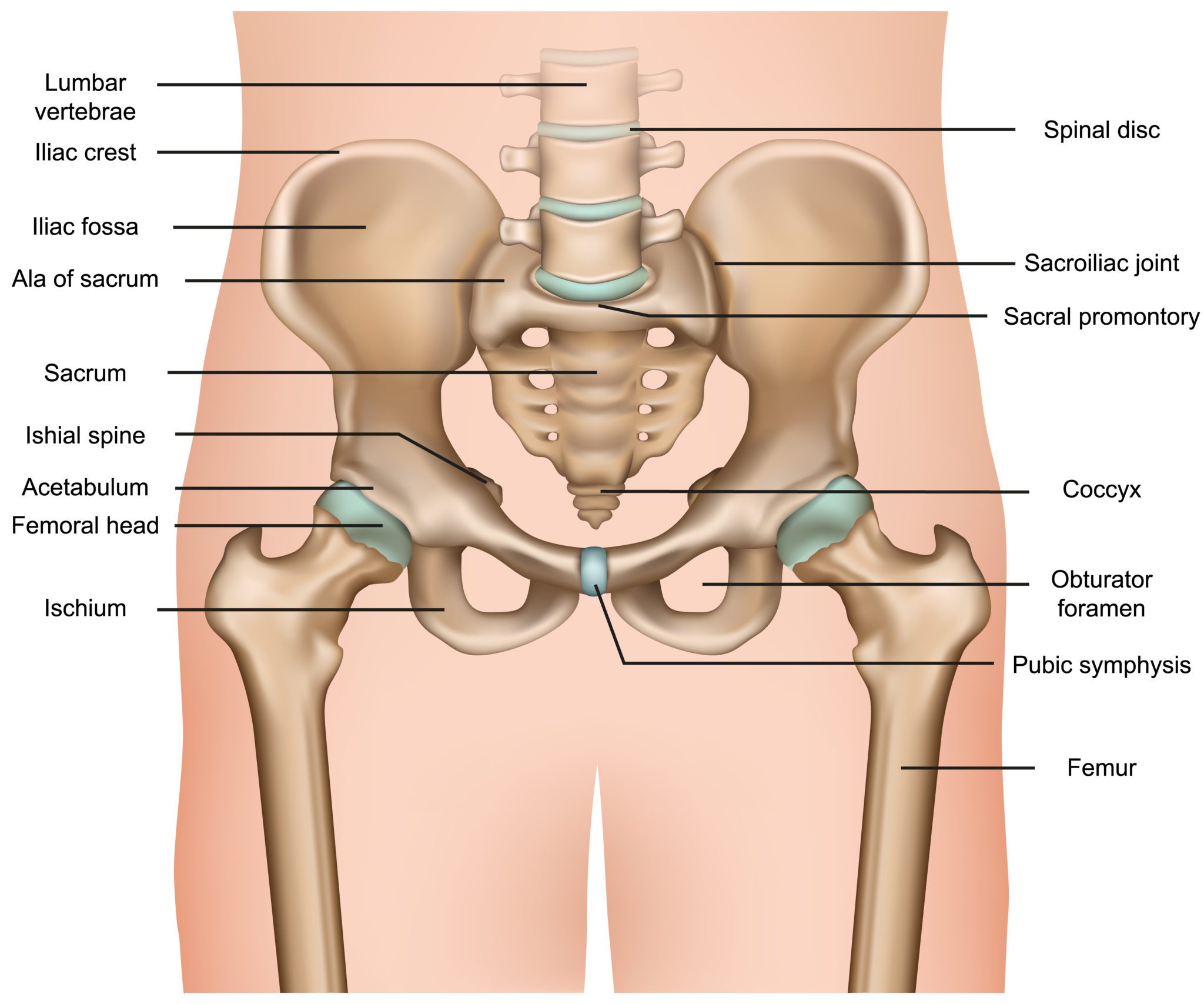
Anatomy of the Pubic Symphysis
The pubic symphysis joint connects the two halves of your pelvis. It’s held together by ligaments and cartilage that allow slight movement. During pregnancy, your body produces the hormone relaxin, which softens these ligaments to prepare for childbirth.
However, sometimes this causes instability in the pelvic girdle, leading to pubic bone pain or pain in the front of the pelvis. Understanding how this joint works helps explain why so many women experience pelvic pain in the third trimester.
How the Pubic Symphysis Changes During Pregnancy
Several natural changes contribute to pubic symphysis dysfunction during pregnancy:
- Hormonal changes increase flexibility in the pelvic ligaments.
- The growing uterus shifts your posture and center of gravity.
- Pelvic floor weakness and muscle imbalance can reduce joint support.
These changes can lead to sharp pelvic pain in the third trimester or feelings of instability when walking or standing on one leg.
Why Does Symphysis Pubis Dysfunction Happen?
The exact cause of SPD during pregnancy varies, but common factors include:
- Hormonal changes that loosen pelvic joints.
- Previous pelvic or lower back injury.
- Weak core or pelvic floor muscles.
- Carrying multiples (twins, triplets).
- Uneven movement patterns or poor posture.
When the pelvic joint becomes unstable, the surrounding muscles have to work harder to maintain balance, often causing pain at the front of the pelvic girdle or pain near the pubic bone.
Common Symptoms of Symphysis Pubis Dysfunction
Typical symptoms of symphysis pubis dysfunction include:
- Sharp pain in the pubic bone when walking, climbing stairs, or standing on one leg.
- A clicking or grinding sound in the pelvis.
- A waddling gait or limp.
- Pain radiating to the groin, hips, or inner thighs.
- Pain when rolling over in bed or lifting objects.
If you’re wondering what does symphysis pubis dysfunction feel like, these are the most common signs.
How Symphysis Pubis Dysfunction Feels
People often describe the pain as a sharp, stabbing, or burning sensation in the pubic bone. It may feel like your pelvis is “separating” when you move your legs apart. Even simple tasks like getting dressed, stepping into a car, or climbing stairs can become difficult.
The good news? Physical therapy for symphysis pubis dysfunction can reduce pain and help you move comfortably again.
Can Symphysis Pubis Dysfunction Affect Labor or Delivery?
SPD typically doesn’t cause complications for your baby or delivery, but it can make movement more painful. Your healthcare provider and physical therapist may recommend modified birthing positions to protect your pelvis and ease discomfort.
At IMPACT Physical Therapy & Sports Recovery, we work closely with your medical team to ensure your birth plan accommodates your comfort and safety.
How Is Symphysis Pubis Dysfunction Different from Pelvic Girdle Pain?
Pelvic girdle pain (PGP) is an umbrella term that includes pain in any of the pelvic joints. Symphysis pubis dysfunction refers specifically to the pubic symphysis joint. While they share symptoms, SPD is usually localized to the front of the pelvis.
Understanding the difference helps ensure you get the right treatment and exercises for your specific condition.
How Is Symphysis Pubis Dysfunction Diagnosed?
Diagnosis involves:
- A thorough physical assessment of your movement and posture.
- Evaluation of gait, pelvic alignment, and pain patterns.
- Ruling out other causes of pelvic pain.
At IMPACT Physical Therapy & Sports Recovery, our clinicians use gentle movement testing and palpation to assess pelvic alignment and identify areas of instability—no imaging required in most cases.
How Physical Therapy Helps Symphysis Pubis Dysfunction
Physical therapy is one of the most effective, drug-free treatments for SPD. Our specialists at IMPACT use a combination of:
- Manual therapy to realign the pelvis and relieve muscle tension.
- Pelvic floor strengthening to support the pubic symphysis joint.
- Core stabilization exercises to improve posture and reduce stress on the pelvis.
- Education on safe movement, body mechanics, and daily activity modifications.
- Pregnancy support belts to stabilize the joint and relieve pain.
Many patients experience relief after just a few sessions of physical therapy for pelvic pain during pregnancy.
Safe Exercises for Symphysis Pubis Dysfunction
After consulting your physical therapist or OB-GYN, try these gentle movements:
- Pelvic tilts to improve mobility and posture.
- Side-lying hip abductions to strengthen the hips and core.
- Bridges with a pillow between the knees to align the pelvis.
- Bird-dog exercises for controlled, low-impact core strengthening.
These exercises help improve stability and decrease pubic symphysis pain when performed under guidance.
What to Avoid with Symphysis Pubis Dysfunction
Avoid any movements that make symptoms worse, including:
- Single-leg standing or high-impact exercises.
- Wide stances or deep squats.
- Crossing your legs while sitting.
- Quick twisting or turning motions.
- Getting out of bed without support—try keeping your knees together as you roll to the side first.
Avoiding these can prevent worsening pain or further strain on your pelvis.
Pregnancy Support Belts and Devices
A pelvic support belt can reduce strain on the pubic symphysis by providing gentle compression. It helps stabilize your pelvis during movement and reduces pain while walking or standing.
Your physical therapist can recommend the best style and show you how to wear it properly for maximum relief.
How Long Does Symphysis Pubis Dysfunction Last?
Most people notice improvement shortly after delivery, once hormones normalize and the pelvis stabilizes. For some, SPD symptoms fade within a few weeks, while others benefit from continued postpartum physical therapy to restore strength and alignment.
Early treatment helps speed up recovery and prevent chronic pain.
Can Symphysis Pubis Dysfunction Come Back After Birth?
Yes. SPD can return during subsequent pregnancies or after resuming high-impact exercise too soon. Continuing pelvic floor strengthening and core stability training can help prevent recurrence and support long-term pelvic health.
How IMPACT Can Help
At IMPACT Physical Therapy & Sports Recovery, our experienced team treats pelvic pain during pregnancy, symphysis pubis dysfunction, and postpartum pelvic conditions using evidence-based care.
You can visit us at multiple convenient Illinois locations, including:
- Champaign-Urbana
- Chicago (Downtown, Lakeview and South Loop)
- Orland Park
- Naperville
- Hinsdale
FAQ
It’s mainly caused by hormonal changes—especially relaxin—that loosen the pelvic joints, combined with increased pressure from your growing baby.
Absolutely. Physical therapy strengthens your core and pelvic muscles, improves posture, and helps realign your pelvis to reduce pain.
Yes, with modifications. Low-impact, gentle exercises prescribed by a physical therapist are safe and effective.
For most people, yes. Symptoms usually resolve within a few months after delivery, especially with continued pelvic floor therapy.
It can make movement painful but rarely affects delivery itself. Discuss your condition with your healthcare team to plan comfortable birthing positions.
Conclusion
If you’re struggling with pelvic pain during pregnancy, know that symphysis pubis dysfunction is treatable. With professional guidance and individualized care from IMPACT Physical Therapy & Sports Recovery, you can find relief, improve movement, and enjoy your pregnancy with confidence.
Reach out to your nearest IMPACT Physical Therapy & Sports Recovery location today or request a consultation to start your recovery journey.